On May 10, LIU Peijun, Director General of the Department of Language Information Management of the Ministry of Education, led a delegation to investigate at Tongji University. The delegation learned about the development of the Research Center for Chinese Discourse and Global Communication, and held in-depth exchanges on the 15th Five-Year Plan for national language and literature research as well as advancing the role of language technology in serving national strategies.ZHENG Qinghua, Secretary of the University Party Committee and Member of the Chinese Academy of Engineering, attended the event and delivered a speech. LV Peiming, Executive Vice President, presided over the forum.
Language and writing work constitutes a key component of national soft power and an important foundation for cultural inheritance. As fundamental support for individual growth and the progress of human civilization, language education undertakes the important mission of strengthening confidence in Chinese culture and promoting exchanges and mutual learning between Chinese and foreign civilizations.
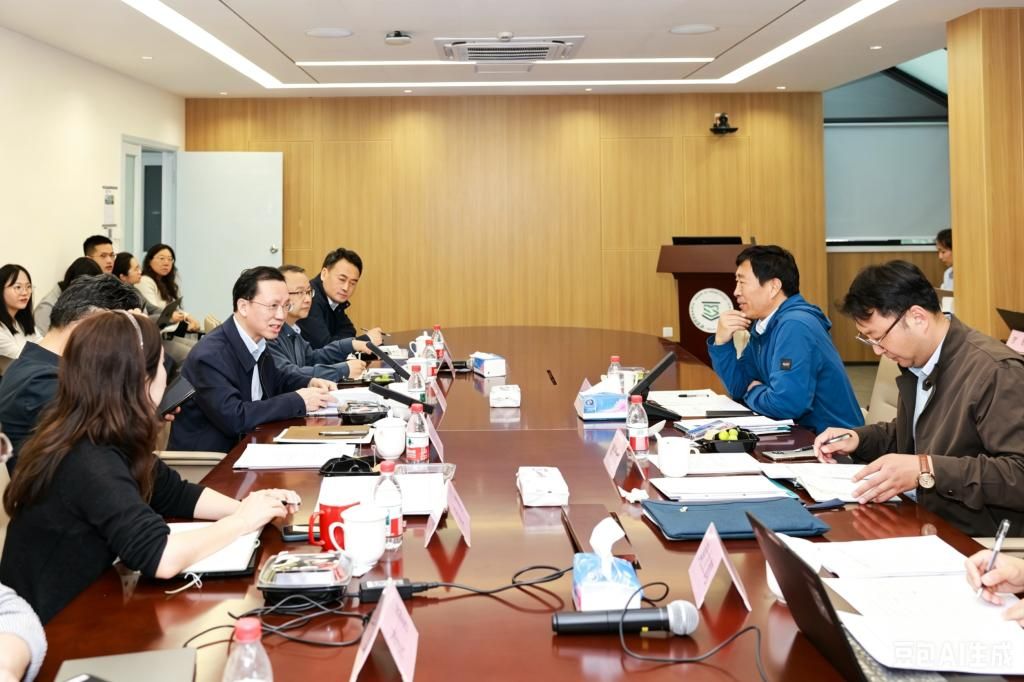
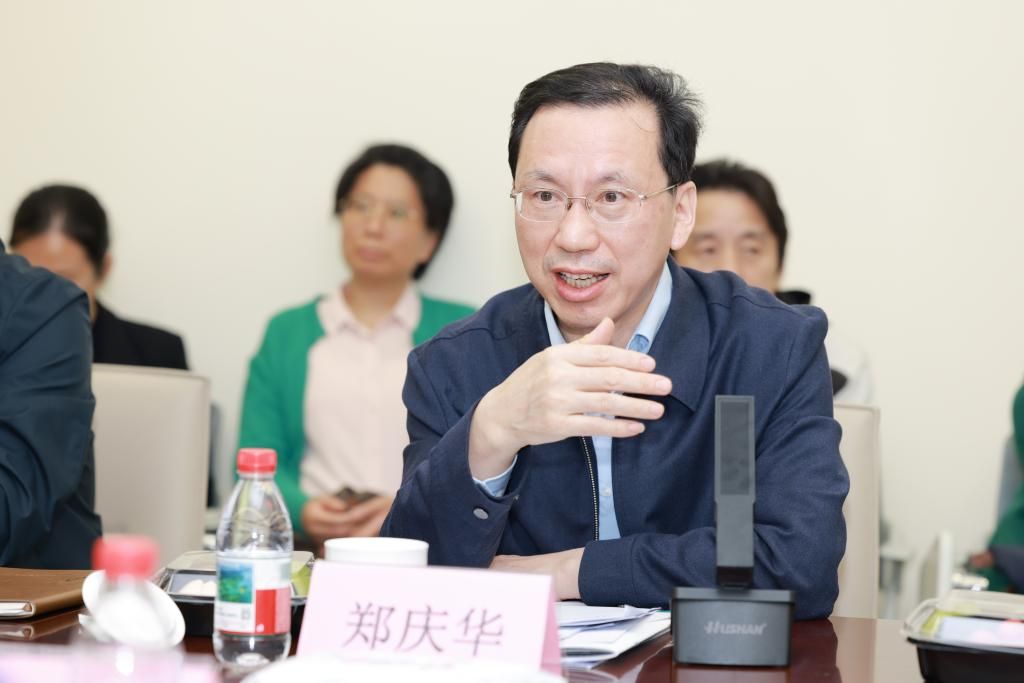
ZHENG Qinghua expressed sincere gratitude to the Department of Language Information Management for its long-term care and guidance to Tongji University. From the perspective of the overall national strategy, he put forward practical suggestions on language and literature work during the 15th Five-Year Plan period. He stated that in formulating the 15th Five-Year Plan for language and writing, it is essential to establish a broad vision of language, shore up weaknesses in corpus resources, deLVe into cutting-edge fields such as computational linguistics, promote in-depth integration of language disciplines with science and engineering, law and international studies, and conduct targeted research from refined perspectives to consolidate the foundation for building an independent Chinese knowledge system. Efforts should be made to align proactively with major national strategies, expand the boundary of language services, deeply integrate into the external communication of the Belt and Road Initiative, strengthen foreign language service capabilities, attach equal importance to research and application, improve the effectiveness of international communication, and solidify the development of national strategic language capabilities. Tongji University will actively integrate into the national layout of the 15th Five-Year Plan, further develop its featured strengths in language intelligence and digital humanities, earnestly fulfill its responsibilities as a higher education institution, and contribute to the development of national strategic language capabilities and the construction of a culturally powerful country.
LIU Peijun noted that the 15th Five-Year Plan period will be a crucial stage for consolidating the foundation and forging ahead in an all-round way for the cause of language and writing. First and foremost, language and literature research should strengthen basic research, produce original achievements, lay a solid foundation for the transformation of research findings, and serve the development of an independent Chinese knowledge system.It is necessary to determine the main research directions, key fields and major research topics based on national, social and market demands, and lead the establishment of a comprehensive language development pattern through the transformation of landmark high-level research achievements, so as to support innovation in language education, empowerment via language services and the improvement of overall language capabilities.The Department of Language Information Management of the Ministry of Education expects to continue co-developing the Research Center for China’s External Discourse System with Tongji University. It supports the University in leveraging its distinctive strengths, integrating resources across industries and disciplines, strengthening the application of artificial intelligence, bolstering confidence in Chinese culture, facilitating exchanges and mutual learning between Chinese and foreign civilizations, and enhancing international understanding in key fields. The two sides will build solid corpus foundations, standardized terminology, academic expertise and a sound discourse system for telling China’s stories well, contributing to the innovative development of language and writing undertakings and China’s high-level opening-up.
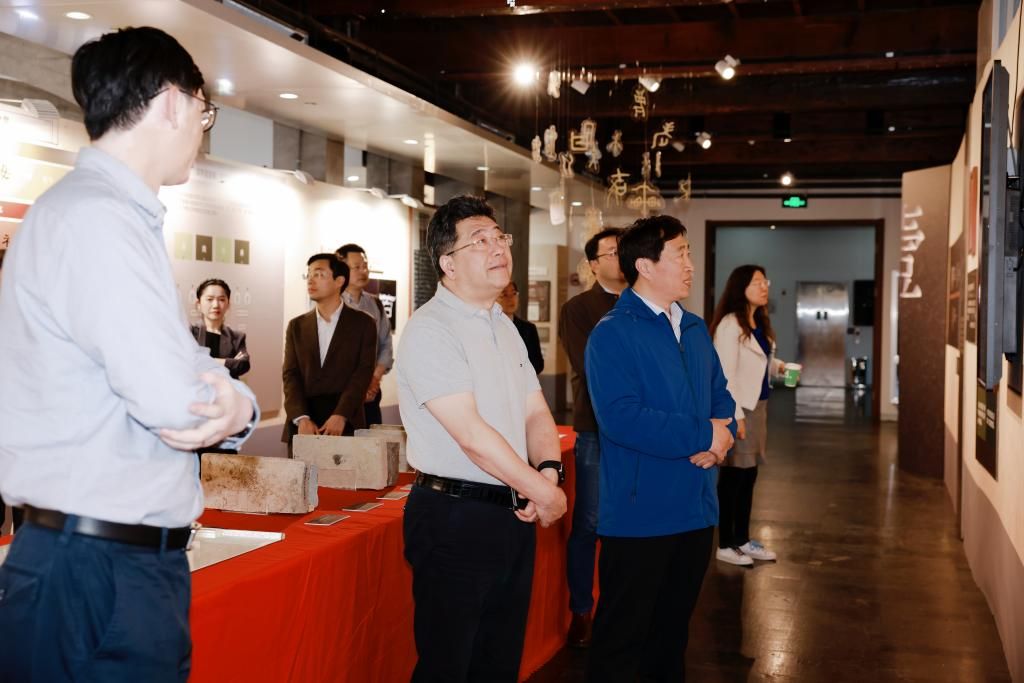
During the visit, LIU Peijun and his entourage inspected the Research Center for China’s External Discourse System to gain an in-depth understanding of its development and the progress of language technology serving national strategies. They also visited the themed exhibition Between the Lines: The Beauty of Chinese Calligraphy and the Path of Digital & Intelligent Evolution at the University Museum, and observed achievements in the inheritance and digital-intelligent development of Chinese character culture.
Person-in-charges from the University Party and Administration Office, Institute of Science and Technology Research, Undergraduate School, Liberal Arts Development Office, School of Foreign Languages and other relevant units participated in the research activity.


