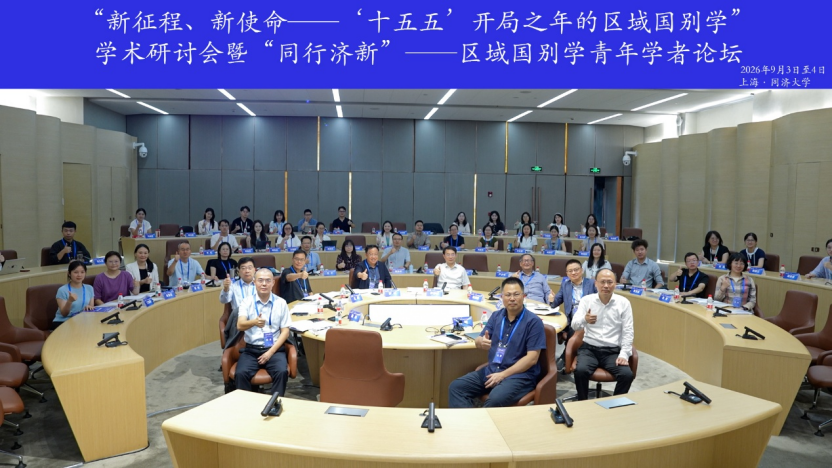
From September 3 to 4, the academic seminar“New Journey, New Mission: Area and Country Studies in the First Year of the 15th Five-Year Plan”and theYoung Scholars Forum on Area and Country Studieswere held at Tongji University. The events were jointly organizedby the College for German and European Studies (KDE), theGerman Studies Center, and theCenter for China-Germany Social and Cultural Exchange(CDGKA)at Tongji University, with the editorial offices ofGerman StudiesandDeutscheMonatsschrift(German-Chinese)serving as co-organizers. More than 60 experts and scholars from universities and research institutions across China gathered in Shanghai to engage in in-depth discussions on topics including the development of an independent knowledge system for area and country studies, digital and intelligent transformation, talent cultivation, and the provision of services for national strategies. The discussions brought together academic insights and expertise to promote the high-quality development of area and country studies in a new stage.
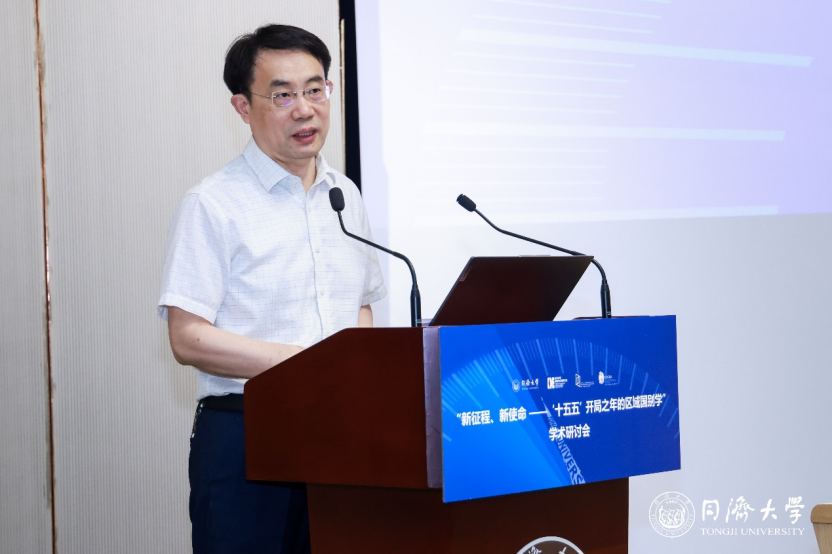
Tongji University Vice President Xu Xuejun attended the conference and delivered a welcome speech. He introduced the university’s development of area and country studies as an academic discipline. According to Xu, Tongji University has a strong academic foundation in German and European studies. It has established national-level platforms such as theGerman Studies Centerandthe Research Center for China’s International Discourse System, and has been selected by the Ministry of Education and the Ministry of Foreign Affairs as one of the institutions participating in a special program for cultivating urgently needed high-level talent in area and country studies. In 2025, the university was officially approved to establish master’s and doctoral degree programs in Area and Country Studies as a first-level interdisciplinary discipline.Tongji University emphasizes interdisciplinary integration, particularlythe integration of the humanities with other humanities disciplines and with engineering and technology. It incorporates field research, training in digital and intelligent research methods, think tank practice, and international exchanges throughout the entire talent-development process, with the aim of cultivating high-level interdisciplinary professionals whopossess language skills, integrate technology, and understand strategic affairs.Looking ahead to the 15th Five-Year Plan, Tongji University will further strengthen interdisciplinary collaboration, practical platforms, and the development of young scholars, while continuing to improve the overall quality of its area and country studies programs.
During the keynote session, participating experts drew on the practical development of area and country studies and conducted in-depth discussions on key issues including the development of an independent knowledge system, academic standards, think tank development, talent cultivation, and digital empowerment.
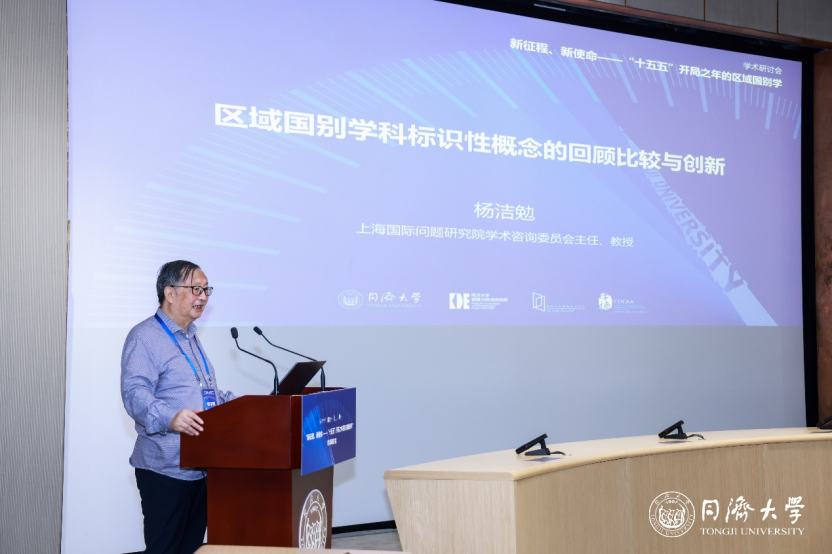
Yang Jiemian, Chairman of the Academic Advisory Committee of the Shanghai Institutes for International Studies, noted that in response to changes in the global landscape of knowledge production, Chinese scholars of area and country studies should accelerate efforts to develop distinctive concepts characterized byacademic agency, originality, and international influence. Greater efforts should be made to integrate and transform political discourse and academic discourse. On the basis of a profound understanding of China’sdomestic and foreign policy practices, scholars should extract and develop theoretical and systematic insights. Such work should reflect Chinese characteristics while also strengthening international communication, enabling Chinese scholars to evolve from contributors of individual cases into builders of concepts and theories. At the same time, the intellectual resources of Chinese civilization should be fully explored, and traditional concepts should be adapted and transformed to meet the needs of the contemporary era, thereby developing Chinese academic discourse with strong explanatory and forward-looking capabilities.
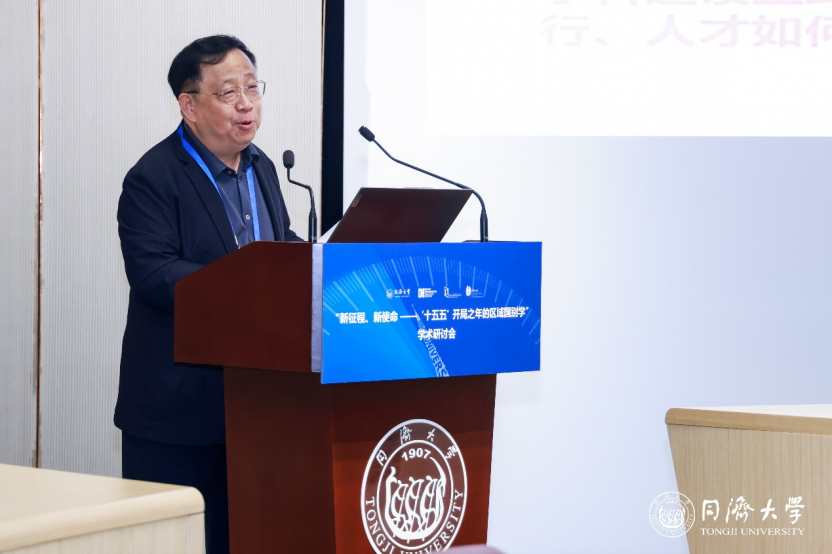
Luo Lin, Director of the Secretariat for Country and Regional Studies under the Ministry of Education and Dean of the Academy of Country and Regional Studies at Beijing Language and Culture University, said that area and country studies are entering a new stage of substantive development and need to expand further fromexplaining problems to solving them.Issues concerning specific countries and regions are often the result of the long-term interaction of multiple factors, including politics, economics, history, society, and culture. Researchers should conduct in-depth studies of specific countries and regions and develop accurate and profound understandings through long-term accumulation of knowledge. On this basis, they should continuously strengthen their ability to address practical problems, thereby shifting area and country studies from knowledge accumulation toward capacity building.
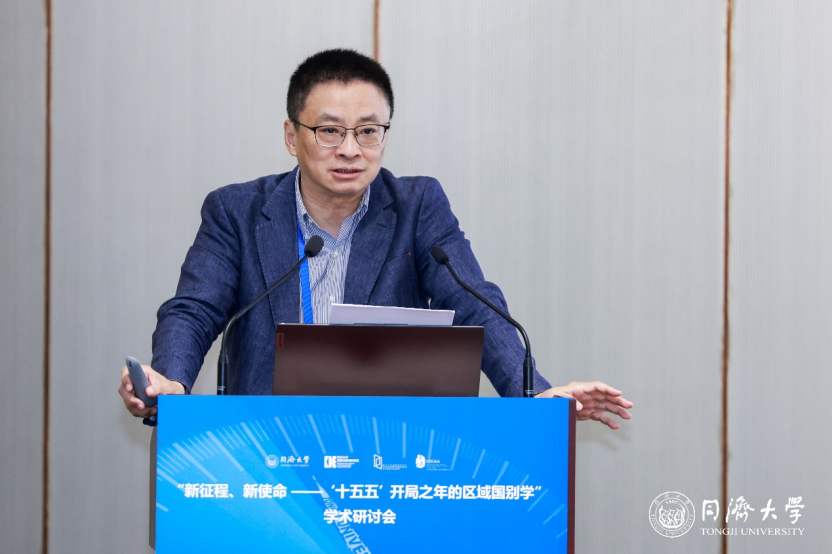
Wang Jian, former Director of the Institute of International Studies at the Shanghai Academy of Social Sciences, proposed that area and country studies should further strengthen their think tank functions and develop a stronger awareness of practical needs in both academic development and policy consulting. Researchers should gain a genuine understanding of the needs of government, markets, and businesses. Interdisciplinary research should expand beyond traditional cooperation among humanities disciplines to include science, technology, and industry, thereby establishing a complete chain of cognition fromdata and information to knowledge and wisdom.At the same time, greater coordination should be promoted among government agencies, universities, enterprises, and professional service organizations. Research questions should be derived from the practical needs of Chinese enterprises expanding overseas, while first-hand experience should be incorporated into talent cultivation and academic research to better serve the protection of overseas interests and international cooperation.
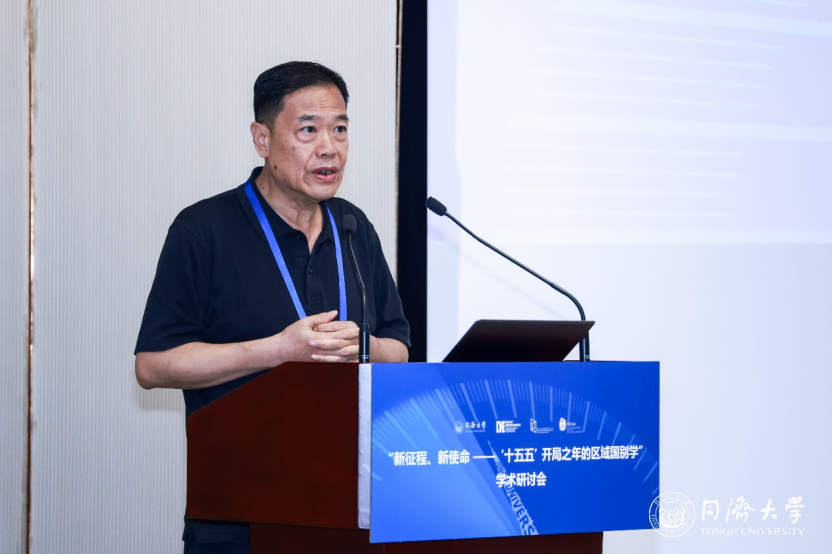
Wang Zhan, Executive Dean of the Institute for Global South Studies at Tianjin University, emphasized that area and country studies should draw lessons from history, focus on the present, and look toward the future. Researchers should conduct in-depth studies of the histories of the countries they examine and draw practical insights from historical experience. At the same time, they should remain committed to developing an independent knowledge system, making full use of valuable international experience, and combining traditional Chinese wisdom with useful ideas from abroad. As an emerging interdisciplinary field, area and country studies have no ready-made model to follow. Its development therefore requires continuous reflection through practice and the deepening of knowledge, while maintaining a proper balance between theory and practice and between subjective understanding and objective reality, in order to enhance the practical relevance and forward-looking nature of research.
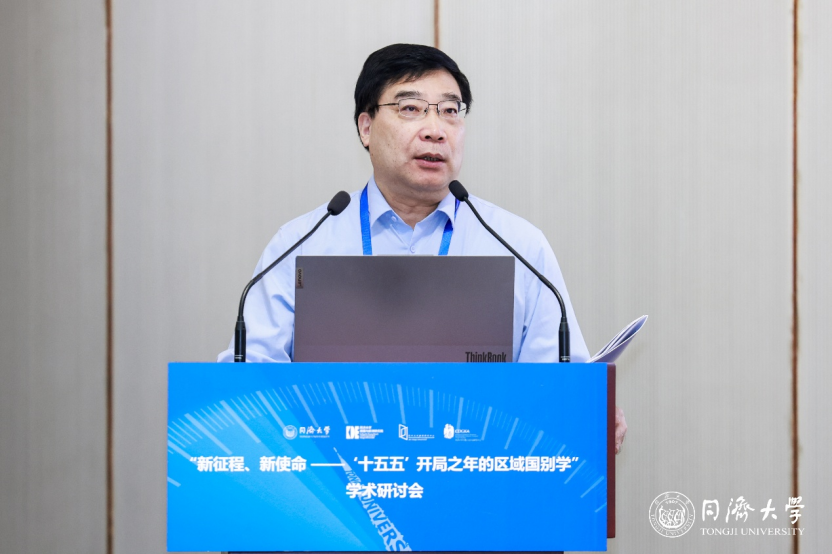
Liu Changming, Dean of the School of Northeast Asian Studies at Shandong University, said that area and country studies are undergoing a transition from quantitative growth to qualitative improvement, with standardization and institutionalization becoming important priorities for the next stage. Comprehensive and systematic studies of specific countries and regions should be conducted from multidisciplinary perspectives, while theoretical and methodological development should be further advanced. Talent cultivation is a key component of discipline development. Universities should improve integrated bachelor’s, master’s, and doctoral training and curriculum systems, strengthen field-based practical education, and coordinate resources from disciplines including history, political science, economics, and linguistics, thereby further improving mechanisms for interdisciplinary development.
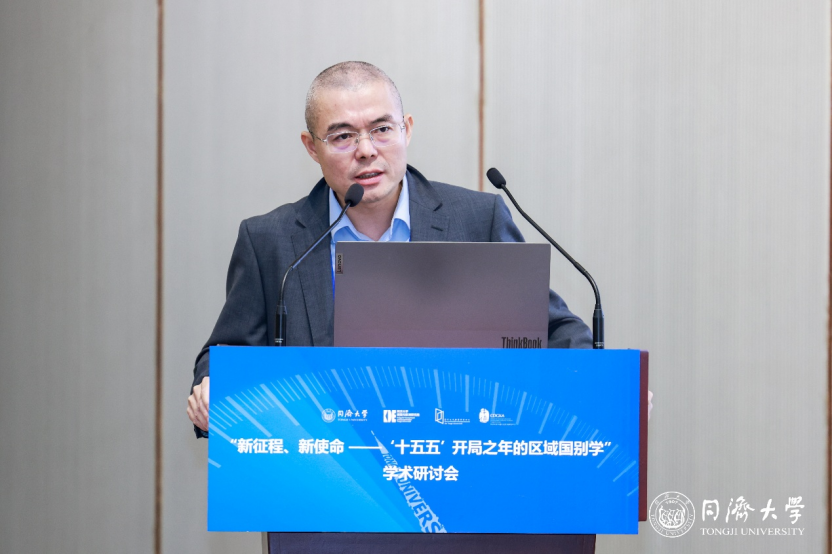
Chen Jie, Dean of the Institute of Area and Country Studies at Sun Yat-sen University and Secretary-General of the Alliance for Talent Cultivation and Discipline Development in Area and Country Studies among Chinese Universities, discussed talent cultivation from an educational perspective. He argued that area and country studies should servethe pursuit of knowledge, practical action, and personal development, and should adhere to the principle ofholistic education. “Pursuing knowledge” requires a solid foundation of knowledge and rigorous academic training; “practical action” emphasizes practical capabilities and field research, as well as cross-sector cooperation in areas such as exchanges among civilizations and regional governance; while “personal development” focuses on cultivating a sense of responsibility toward the country, values, communication skills, and social responsibility. Young scholars should therefore strengthen their academic foundations while enhancing their ability to address real-world issues.
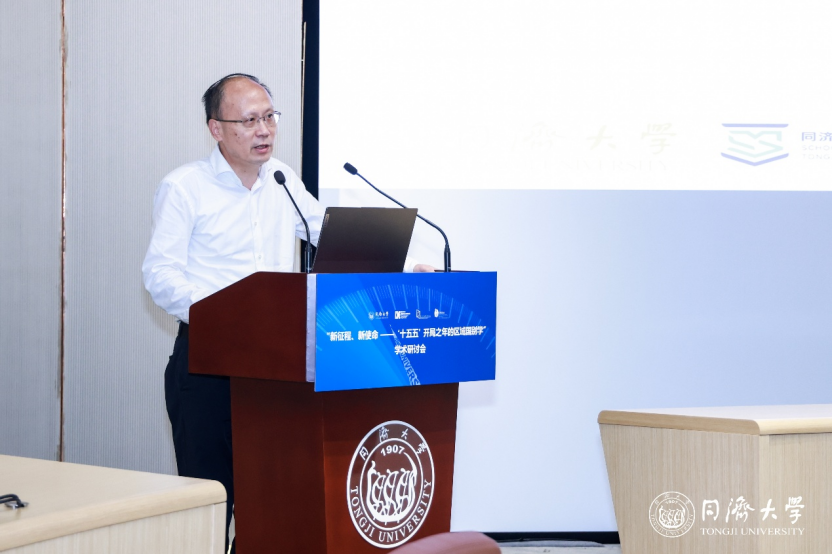
Zheng Chunrong, Secretary of the Party Committee of the School of Foreign Languages at Tongji University and Director of theGerman Studies Center, noted that the rapid development of digital technologies has created new opportunities for the development of area and country studies as an emerging interdisciplinary field. Digital technologies should be actively used to empower academic development, talent cultivation, and research. Tools such asknowledge graphs and competency graphscan be used to structurally integrate fragmented knowledge and strengthen connections among different disciplines. In the future, these applications could be further expanded from teaching and learning to management and evaluation, while their integration with technologies such as large language models could also be explored to further enhance the digital and intelligent capabilities of area and country studies.
On the afternoon of September 3, participating experts and scholars were divided into two groups for parallel discussions on“Theoretical Development, Methodological Innovation, and Talent Cultivation in Area and Country Studies”and“Field Research, Digital Empowerment, and Policy and Business Consulting Services.”
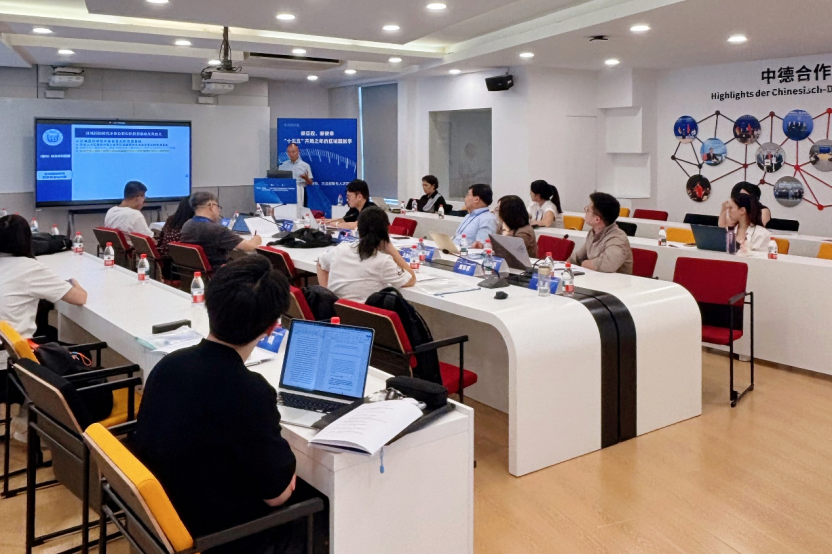
The first parallel session focused on the theoretical foundations, research paradigms, and talent cultivation of area and country studies. Participants noted that greater efforts should be made to clarify the discipline’s boundaries, research objects, and fundamental questions, while strengthening interaction between area and country studies and other disciplines such as international relations and law. Effective connections should be established between local knowledge and broader theoretical frameworks. Talent cultivation should emphasize interdisciplinary integration and practical application, with comprehensive training in language proficiency, regional knowledge, professional expertise, and digital technologies. Cooperation among universities, government agencies, think tanks, enterprises, and other institutions should also be strengthened to further improve systems for cultivating interdisciplinary professionals.
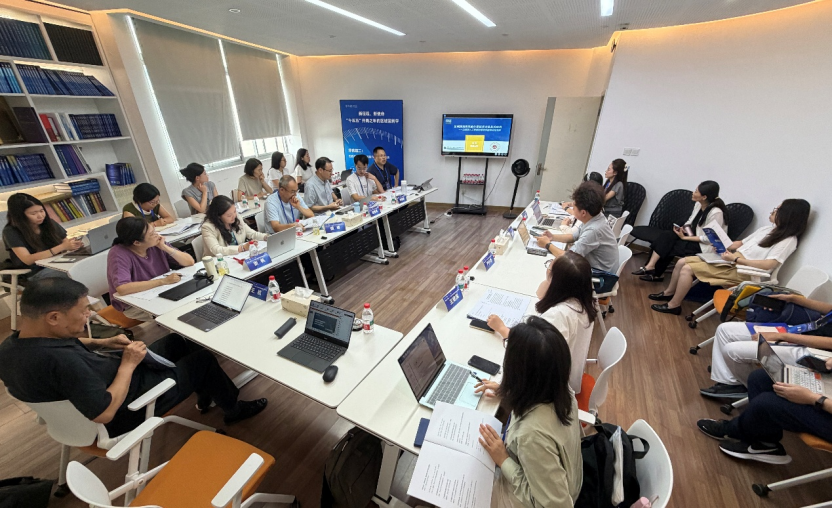
The second parallel session focused on field research, the application of digital technologies, and policy and business consulting services. Scholars proposed strengthening locally based research and fieldwork, conducting in-depth studies in specific countries and regions, and obtaining first-hand information. At the same time, technologies such asnatural language processing, digital ethnography, and digital humanitiesshould beactively employed to improve capabilities in information collection, analysis, assessment, and the transformation of research findings into practical outcomes. Policy and business consulting services should place greater emphasis on problem-oriented research and real-world needs, thereby enhancing their ability to serve national strategies and support Chinese enterprises in their overseas development.
The participating experts agreed that area and country studies should bothconduct comprehensive research rooted in specific countries and regionsanddevelop explanatory theories, methodologies, and distinctive concepts on the basis of rigorous case studies. These efforts will help advance the developmentof an independent knowledge system for area and country studies with Chinese characteristics.
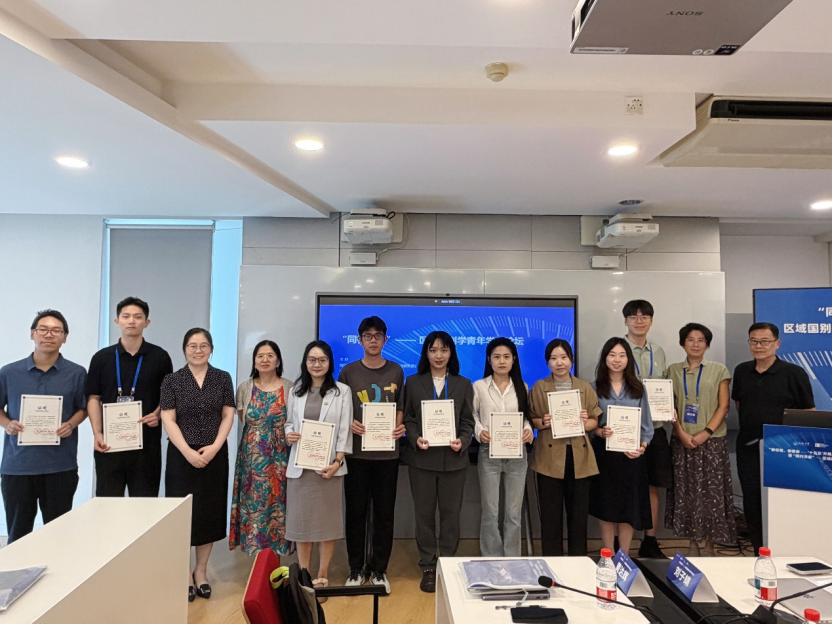
On the morning of September 4, theYoung Scholars Forum on Area and Country Studieswas held. Buildingon the platform of theGerman Studies Centerat Tongji University, the forum brought together young scholars from across China. Ten outstanding papers were selected from nearly 100 submissions, covering a range of cutting-edge topics, including artificial intelligence governance, international communication, European politics and economics, and knowledge production in area and country studies.Senior experts were invited to provide one-on-one comments and guidance on research topic selection, methodology, argumentative logic, and academic writing standards, helping young scholars further refine their research and broaden their academic horizons. The participating experts encouraged young scholars to remain grounded in China’s practical experience, strengthen their academic consciousness and sense of intellectual agency, and, on the basis of a deeper understanding of the world, strive to develop academic perspectives with a distinctively Chinese position, perspective, and explanatory power. They called on young scholars to contribute to the development of China’s independent knowledge and discourse systems in area and country studies.


